Civil Lines, New Delhi

First class half price for new students

+91 98765 43210
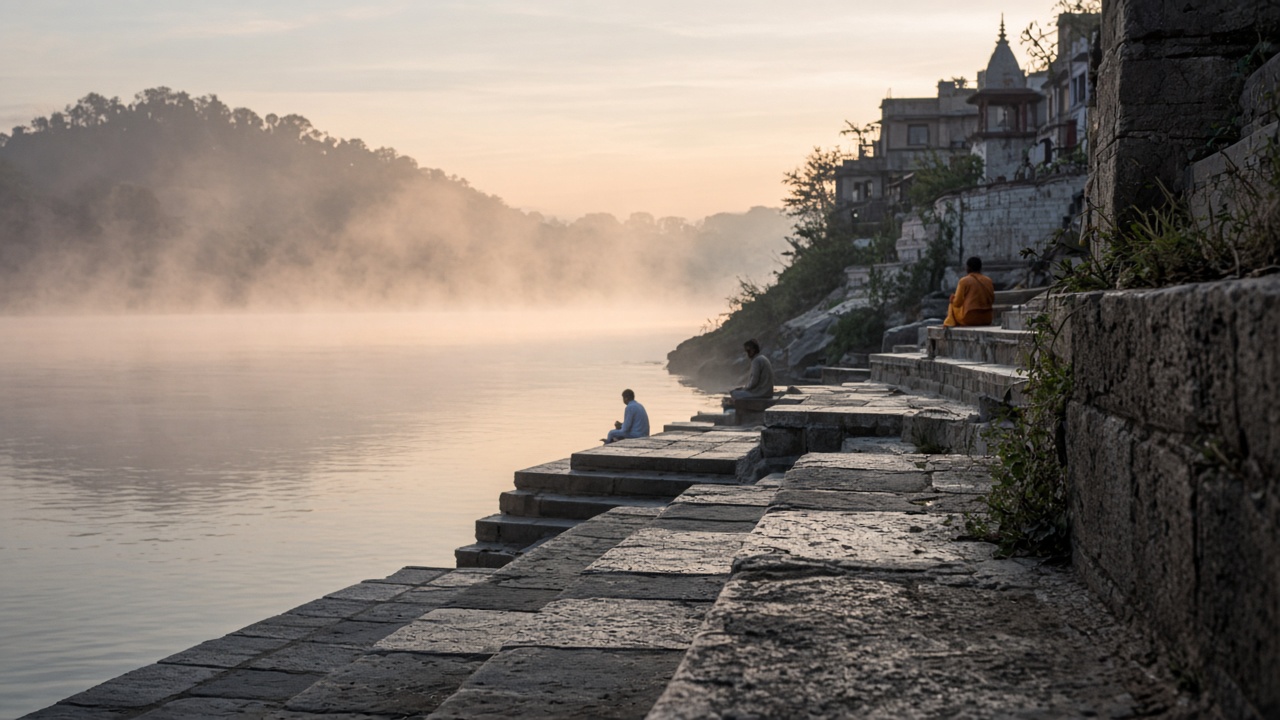
Dawn mist over the stone steps of the river in Rishikesh

About the studio

From the river to a quiet road.

Yogasana began on the ghats and was built, years later, for a neighbourhood in Delhi that still has gardens and morning light.

Stone steps at dawn beside the Ganges

Origin

Rooted in a practice, then given a room.

Dr. Arjun Sharma spent his twenties and thirties in the Gurukul tradition of Rishikesh, and later in Mysore, where the day was organised around practice rather than around a timetable. He taught in India, Europe, and the United States, and kept meeting students who wanted that seriousness without leaving the city they lived in.

In 2015 he opened a hall on Lotus Garden Road. Civil Lines was chosen because it is residential, shaded, and a little apart from the traffic. The first classes held twelve people. They still do, more or less. The studio grew by adding teachers, not by adding noise.

The room stayed small so the teaching could stay specific.

What has not changed is the order of a class: breath, posture, stillness, and a little time afterwards that belongs to no one else’s schedule.

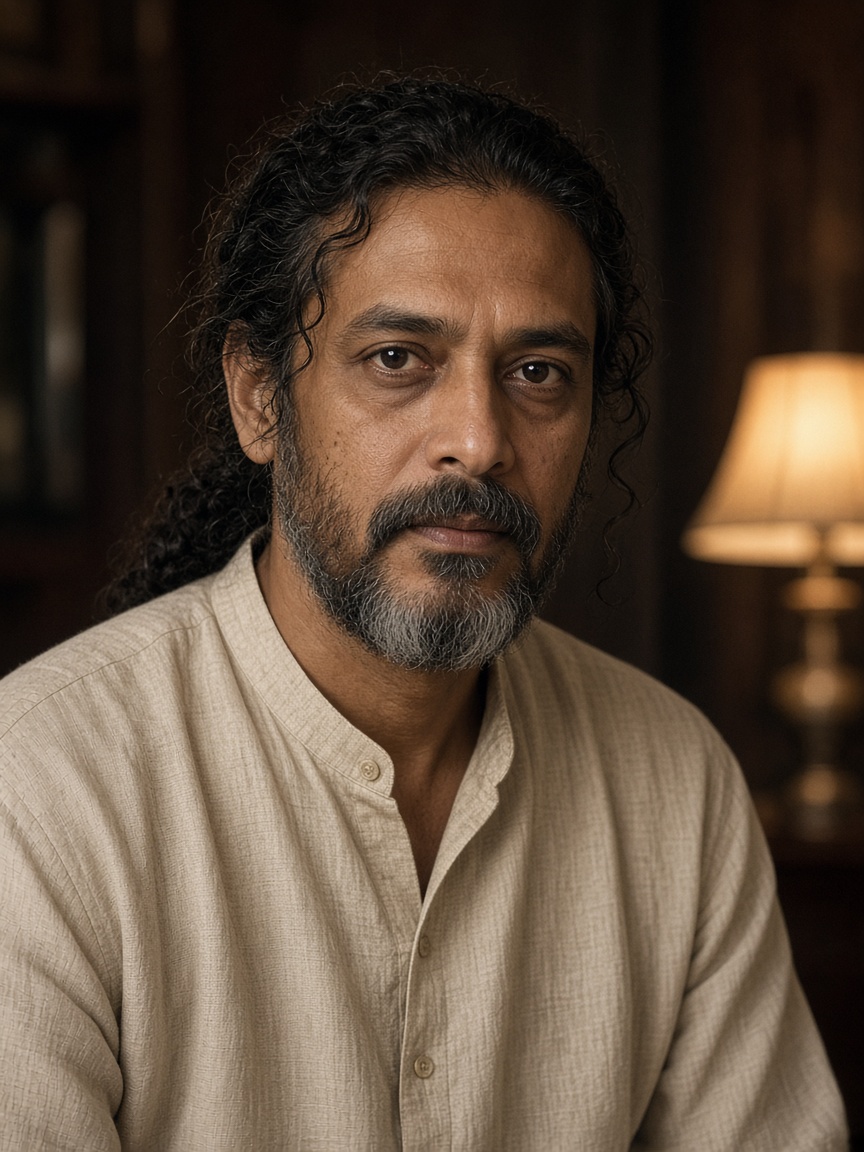
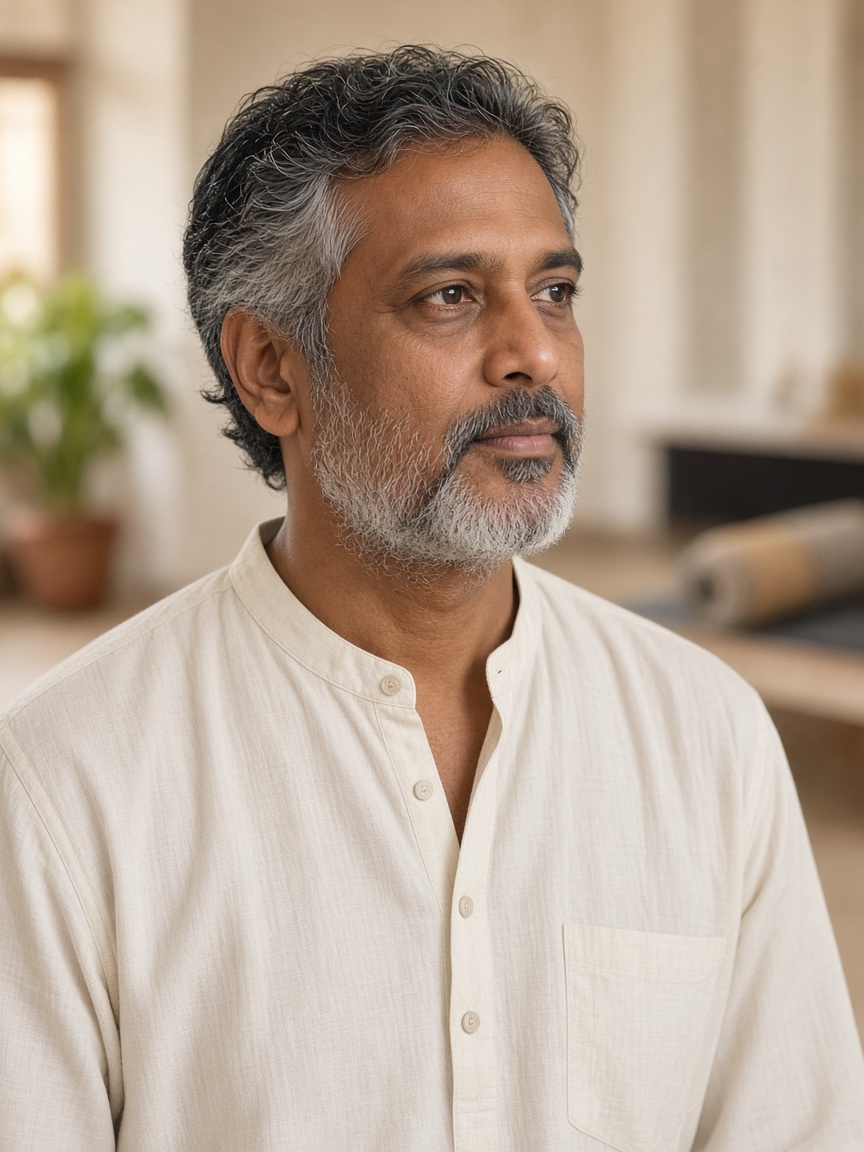
Dr. Arjun Sharma, founder, in an ivory kurta

Founder

Dr. Arjun Sharma

Founder & lead instructor

More than twenty-five years of practice and teaching. He was trained in the Gurukul system in Rishikesh and holds advanced study in Hatha, Ashtanga, and Kundalini, along with a doctorate in yoga philosophy. Students often meet him first in the Ashtanga room, and later in the philosophy seminars that run beside the 200-hour and 500-hour teacher trainings.

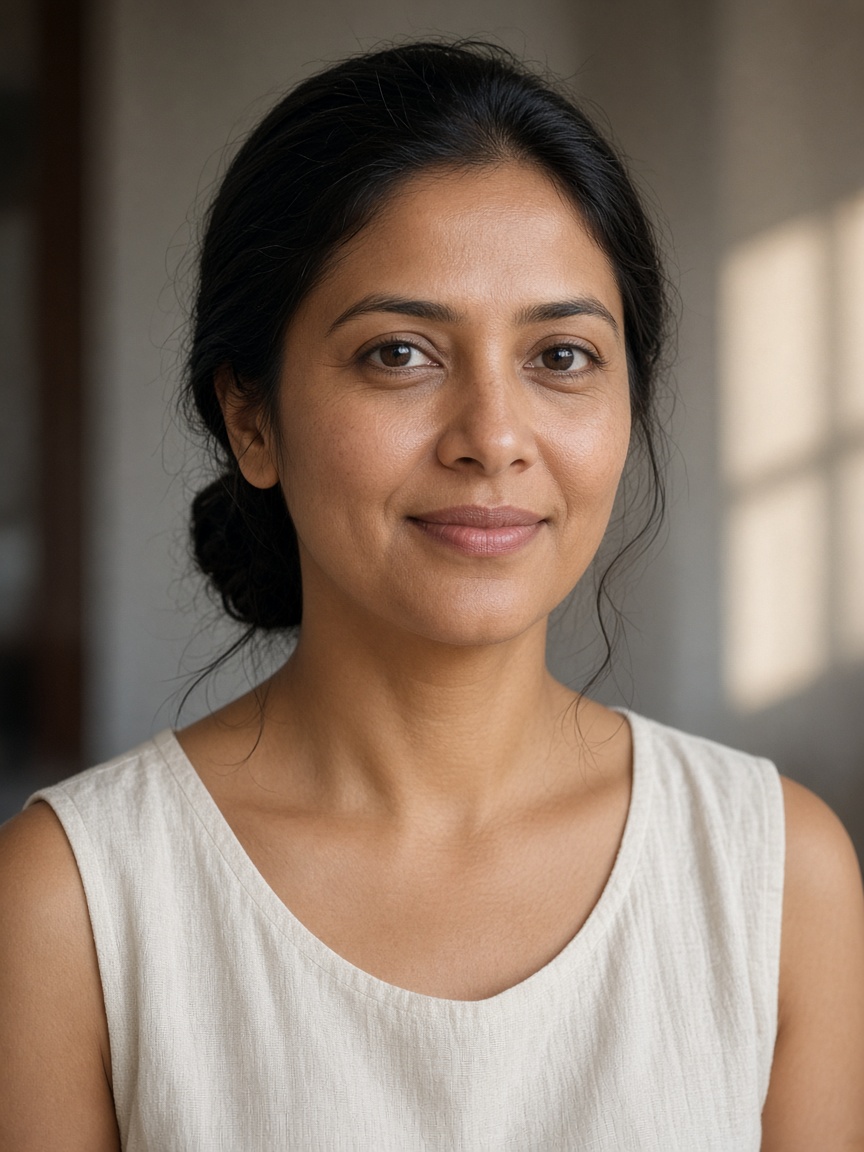
His teaching is precise about the joints and unembarrassed about the older language of the practice. He will correct a knee. He will also leave a silence long enough for it to mean something. Many of the teachers now on the Yogasana schedule began as his students.

Yoga Alliance E-RYT 500 · YACEP · PhD in Yoga Philosophy
Philosophy

Three things we will not bargain with.

Authenticity

We teach practices that have been refined over a long time: asana with a name, pranayama with a count, meditation that is not a playlist. The language in the room is plain English, and the method underneath it is Indian and traditional. We do not rename a posture to make it sound easier than it is.

Balance

A week of only strong classes is not a practice. The schedule holds Hatha beside Ashtanga, and Restorative beside the evening flow, so a student can be honest about the day they have had. Strength without recovery becomes another kind of strain.

Compassion

Every body in the hall has a history. Teachers offer a second shape without announcement, and progress is measured by whether you can breathe in the posture you chose, not by whether it matches the person beside you.

“Yoga is not about touching your toes. It is what you learn on the way down.”

— Jigar Gor

Faculty

Seven teachers, one standard.

You book a person, not a rotating substitute. If a teacher is away, the desk tells you who is covering before you arrive.

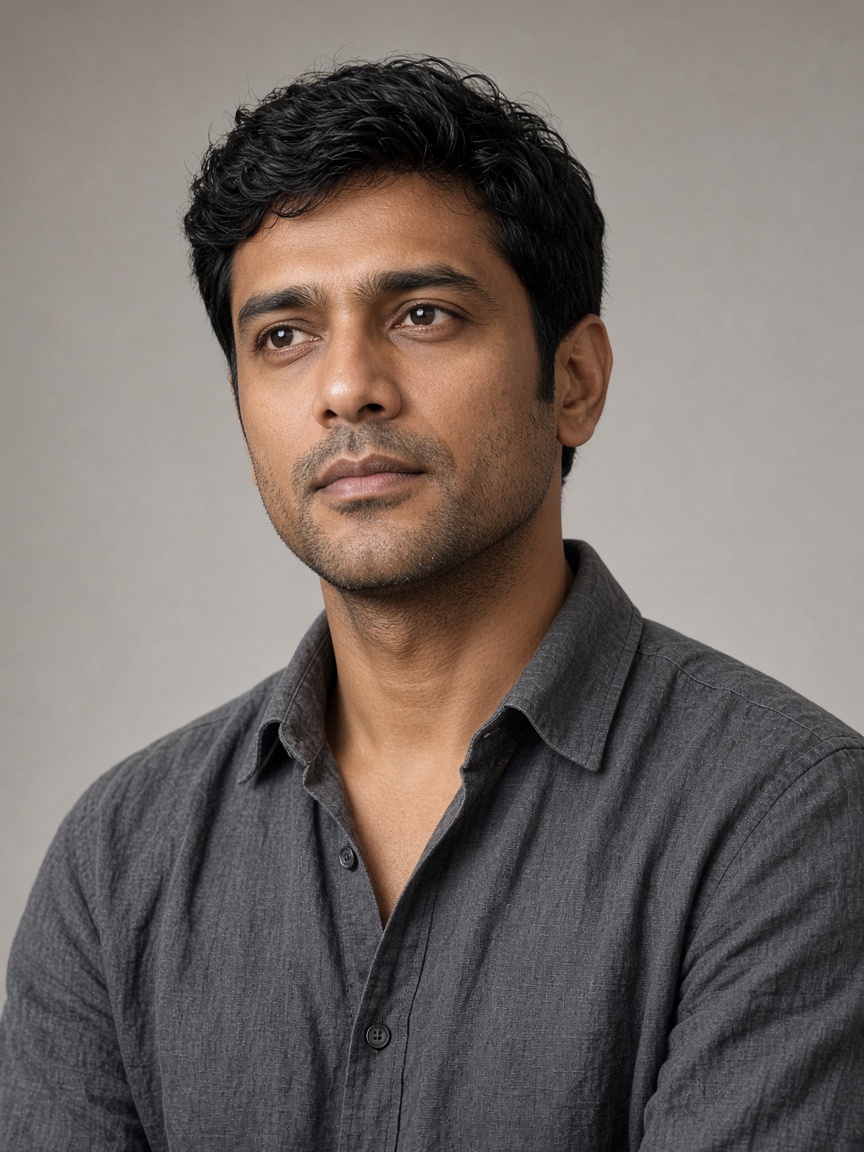
Dr. Arjun Sharma

Dr. Arjun Sharma

Founder. Leads Ashtanga, philosophy, and both teacher trainings. The standard the rest of the faculty teaches toward.

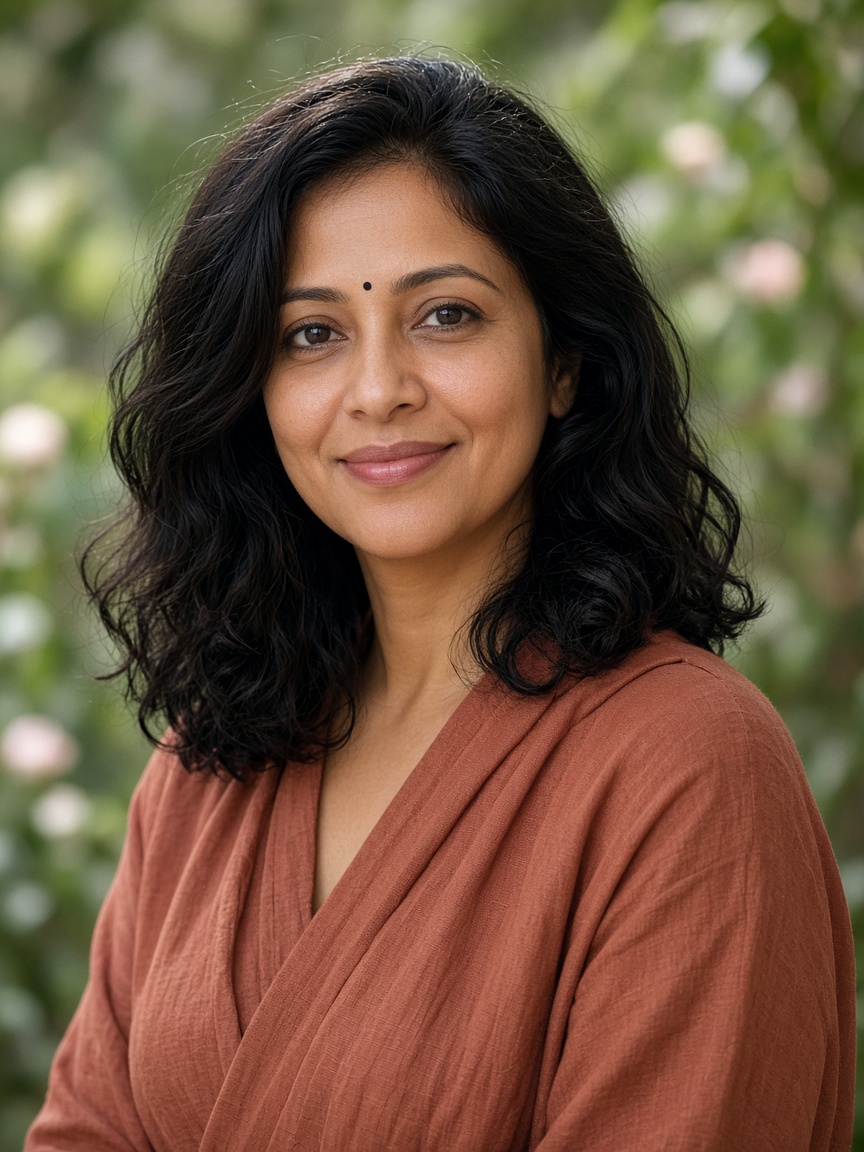
Priya Nair

Priya Nair

Hatha and alignment. Patient with first-time students and exacting about the feet, the pelvis, and the breath you think you are already doing.

Rohan Kapoor

Rohan Kapoor

Ashtanga and the stronger flows. He trained under Dr. Sharma and teaches strength as attention, not as force.

Meera Iyer

Meera Iyer

Prenatal, morning flow, and the Saturday sunset class. She keeps the prenatal room at eight and knows the students by trimester.

Dev Malhotra

Dev Malhotra

Kundalini and the Friday meditation. His classes are quiet, repetitive, and often the one people return to when life has become too loud.

Ananya Rao

Ananya Rao

Restorative and the evening restore. She is serious about props, warmth, and not filling a silence that is doing the work.

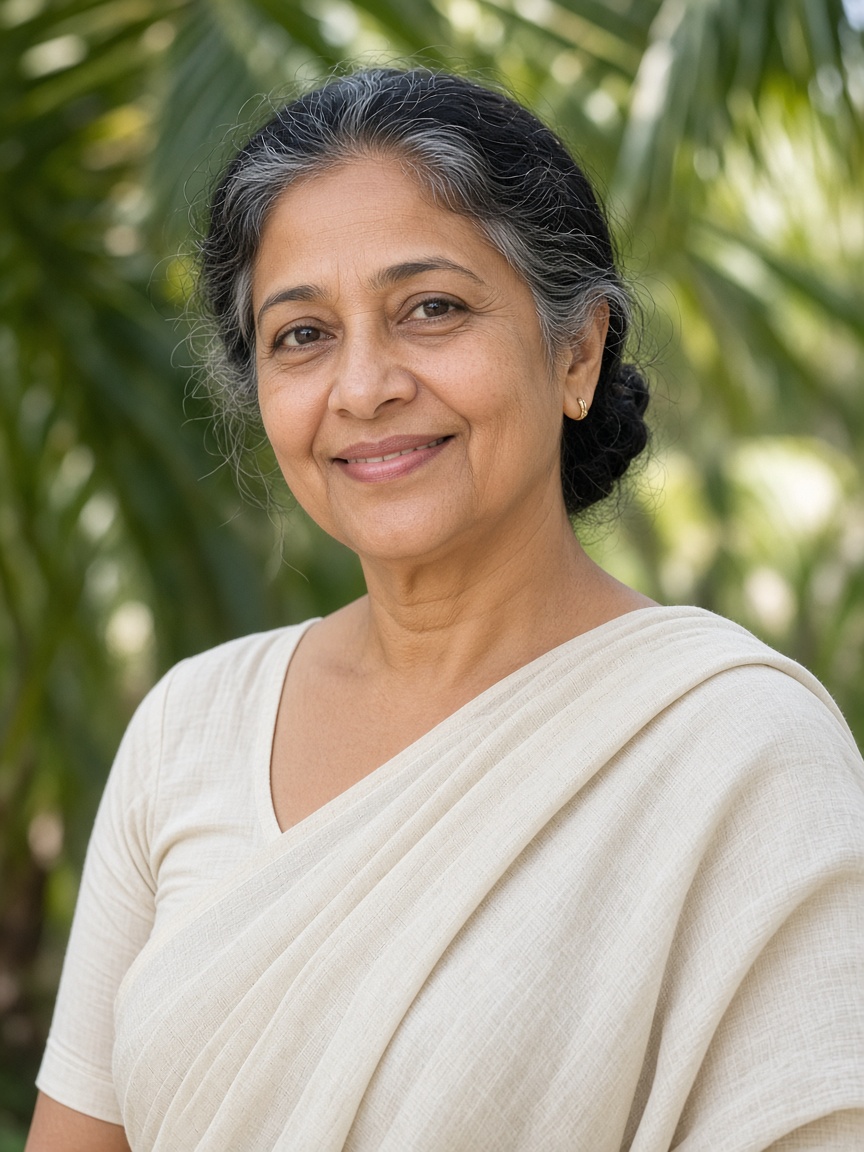
Lakshmi Desai

Lakshmi Desai

Gentle Sunday practice and family yoga. A long teaching life, a soft voice, and no interest in making anyone perform.

The house

Rooms with a job.

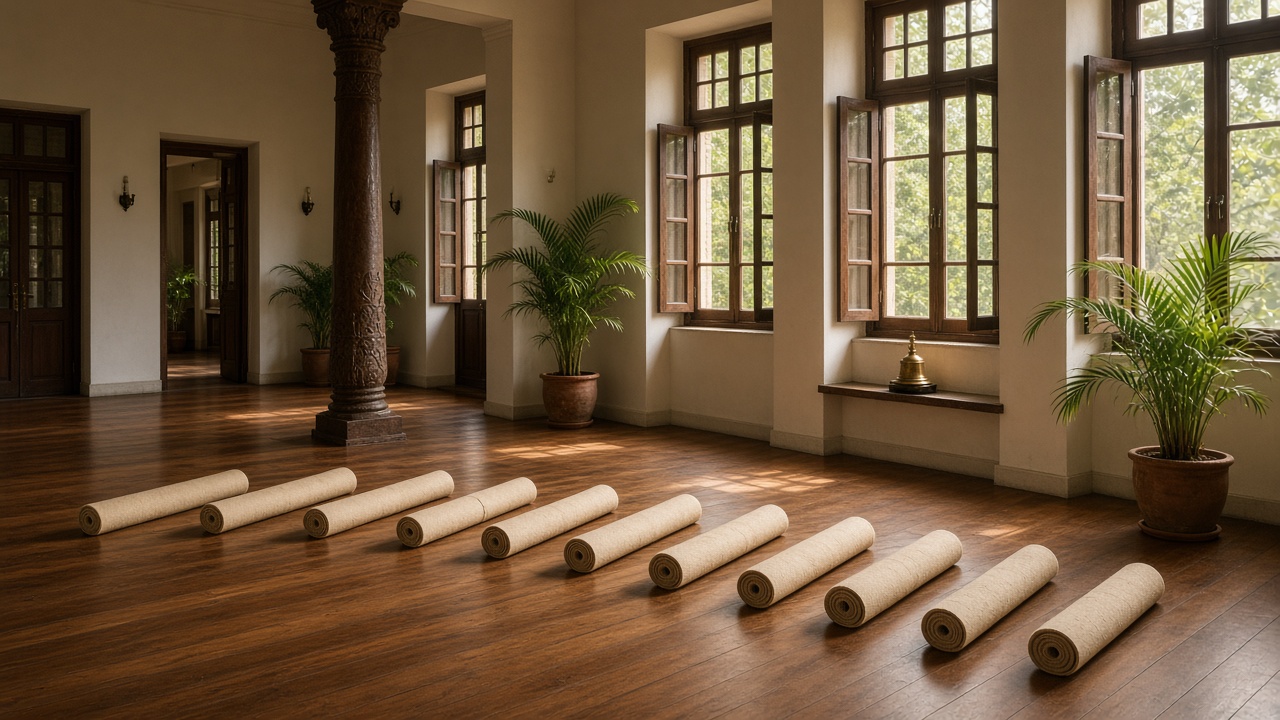
Main practice hall with rolled mats and tall windows

Main hall

About 2,500 square feet. Cork over teak, daylight from tall windows, a quiet sound system used sparingly. Fifteen mats, never more.

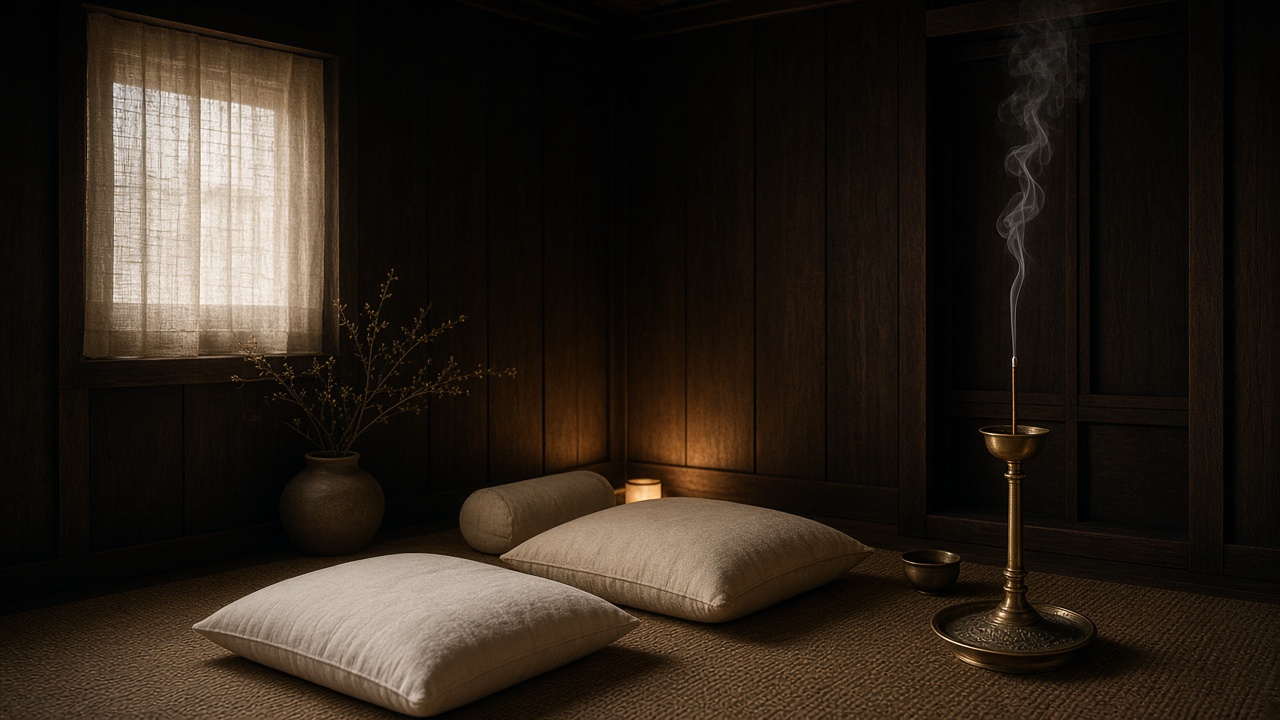
Dim meditation room with floor cushions and brass

Meditation room

Sound-soft, lamp-lit, kept for pranayama and for members who need twenty minutes that are not a class.

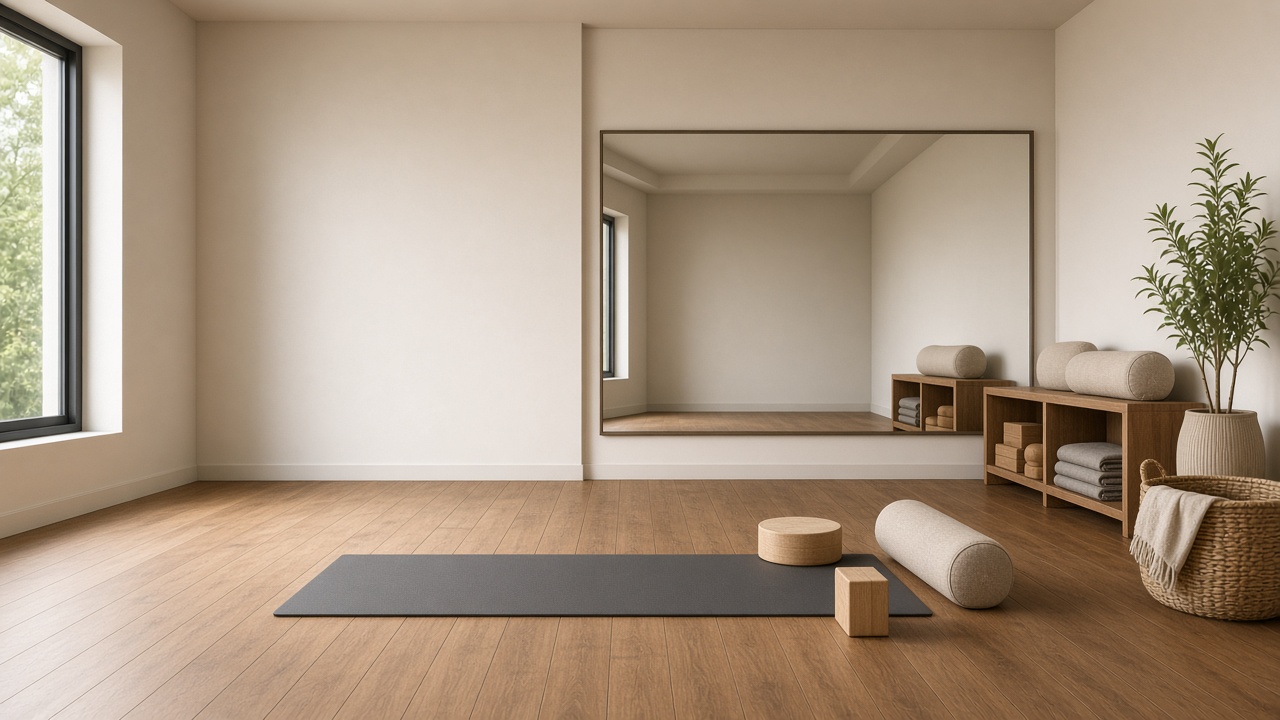
Private teaching room with one mat and props

Private room

One mat, a mirror, and the props for a detailed hour. Used for therapy-minded work and for students returning from injury.

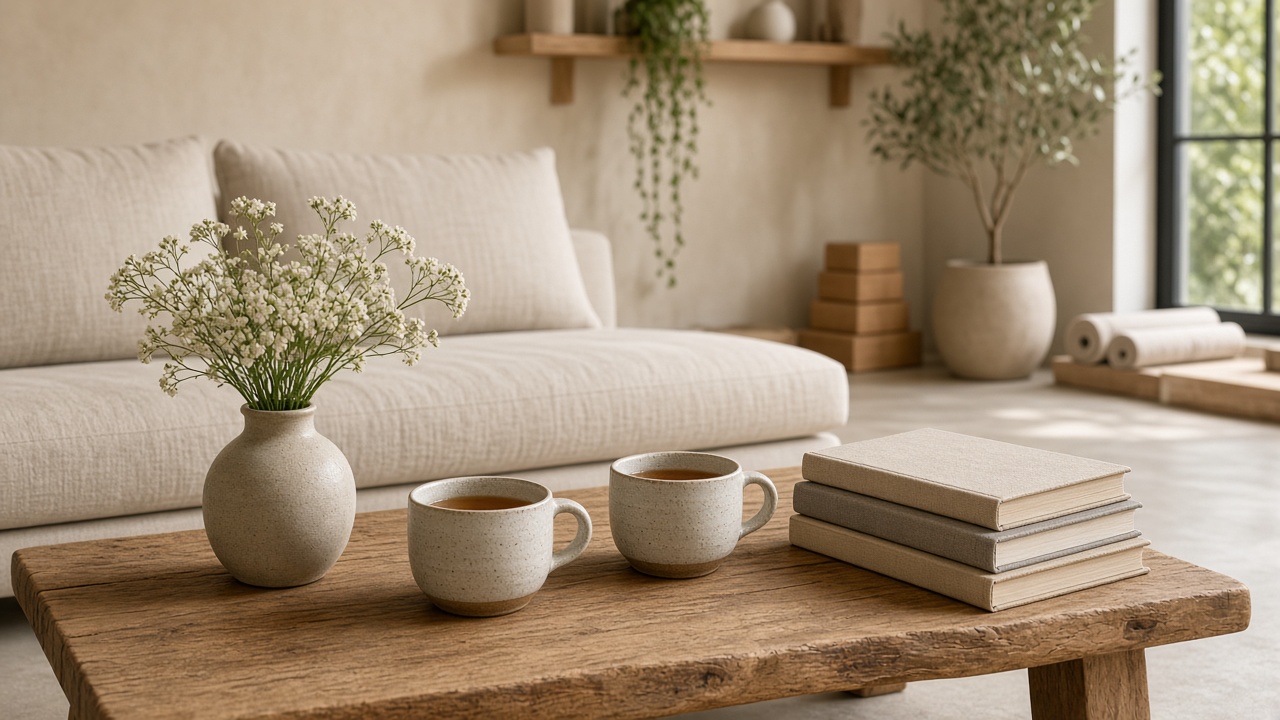
Lounge with tea, books, and a linen sofa

Lounge

Herbal tea, a few clothbound books, and enough seats that you need not leave the moment savasana ends.

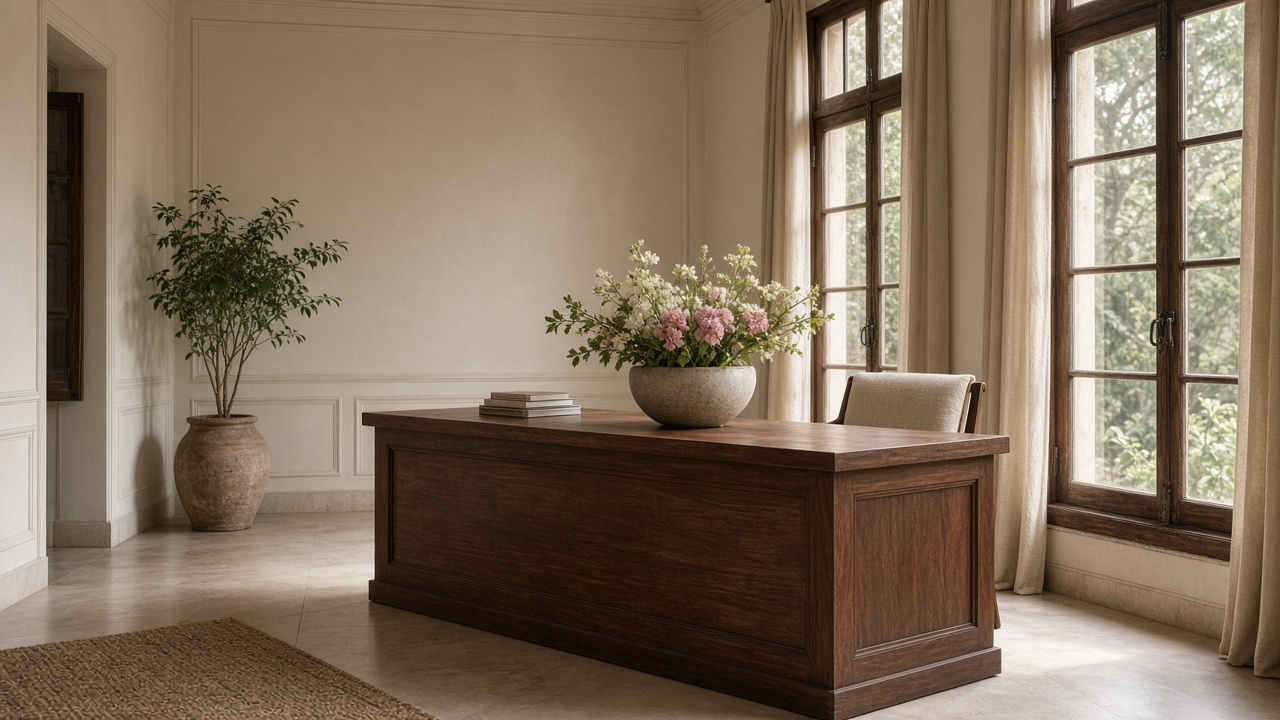
Quiet wooden reception desk in daylight

Desk & changing rooms

The desk books you in and keeps a small shelf of cloth and mats. Changing rooms have rainfall showers, lockers, and a simple organic wash. Towels are set out.

Recognition

Noted, then we went back to class.

Best Yoga Studio, 2023

City Wellness Magazine, for teaching and for the quality of the room.

Yoga Alliance registered

A registered school for 200-hour and 500-hour teacher training.

Excellence in education

Recognised for a training that still includes philosophy, not only sequencing.

Luxury wellness

Certified as a premium wellness house against an international standard of care.

Come and see the hall

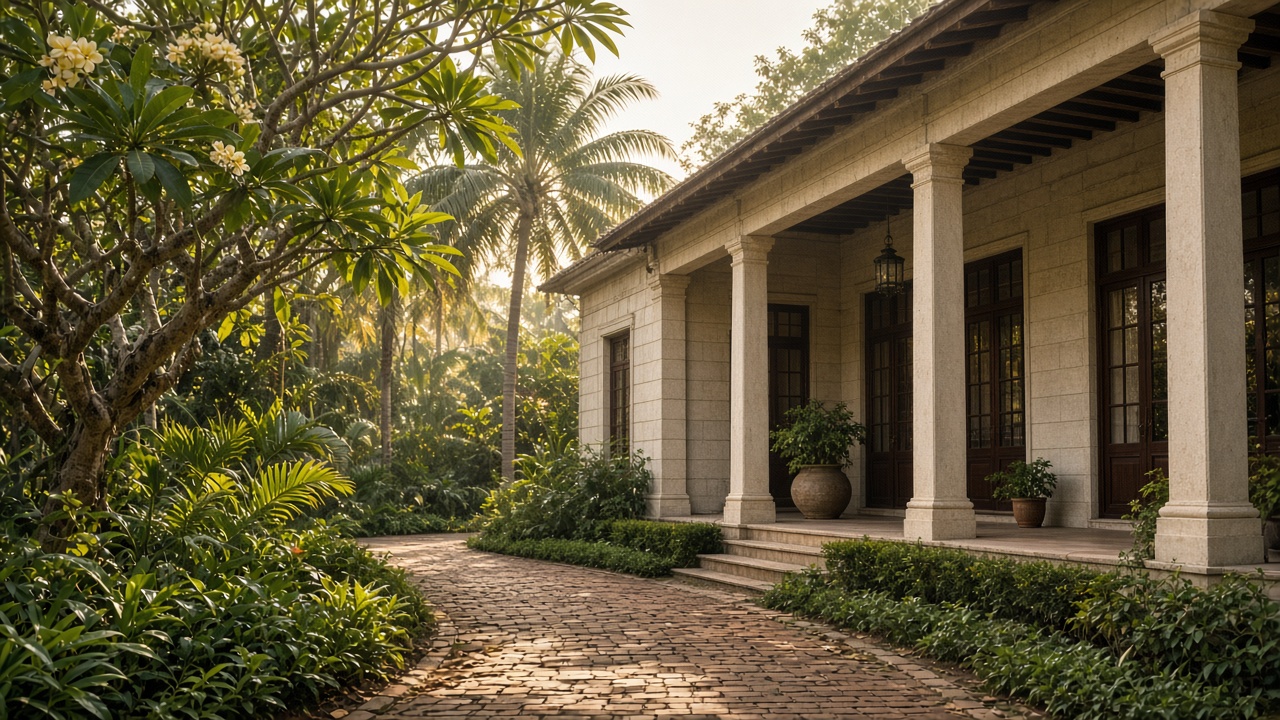
The garden path is the best introduction.

Schedule a visit